
Xiaod8 Desk ·
Poetry Prompts: 100+ Ideas to Spark Your Next Poem
Discover 100+ poetry prompts for adults, including deep, dark, love, and daily writing ideas. Learn how to turn a prompt into a finished poem.
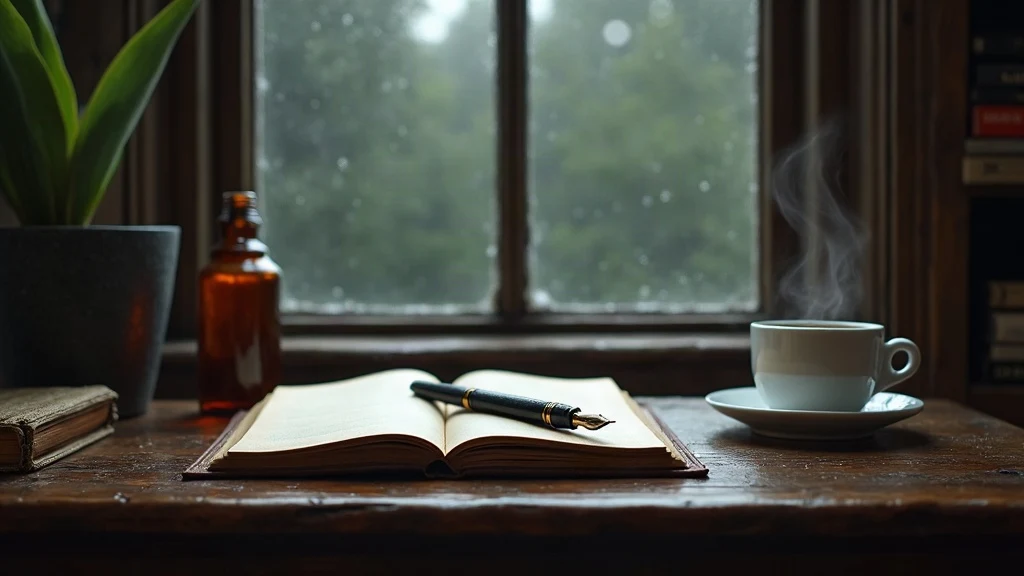
Poetry prompts are creative starting points that help writers generate new poems. They range from simple topics to formal constraints, and they are used by beginners and experienced poets alike. Whether you are stuck in a rut or want to explore a new style, a well-chosen prompt can unlock fresh imagery, emotion, and structure. According to the National Endowment for the Arts, 11.8% of U.S. adults engaged in creative writing in 2017, and prompt-driven writing is surging as workshops and social writing communities push daily challenges this season. As poet Mary Oliver said, "Poetry is a life-cherishing force." This article offers a large organized bank of prompts, with example lines and tips for turning a prompt into a finished poem.
What Are Poetry Prompts?
Poetry prompts are specific instructions or themes that give you a starting point for writing a poem. They can be as simple as "write about a door" or as complex as "write a sonnet about a memory you cannot forget." Prompts help you bypass the blank page and focus your imagination. They are especially useful for daily practice, workshop exercises, or when you want to break out of your usual style.
Creative Topic Prompts
These prompts give you a subject or image to explore. They are open-ended and work well for free-writing or first drafts.
- Write about a key you found but cannot place.
- Describe the sound of rain on a tin roof.
- Write a poem about a photograph that is fading.
- Explore the feeling of waiting for a phone call that never comes.
- Write about a recipe passed down through generations.
- Describe a place you have not visited in years.
- Write about a secret you have never told.
- Imagine a conversation between two objects on a desk.
- Write about the last time you felt truly at home.
- Describe a dream that felt more real than waking life.
- Write about a scar and the story behind it.
- Explore the idea of a door that should never be opened.
- Write a poem about a season changing.
- Describe a moment when you felt invisible.
- Write about a habit you cannot break.
- Imagine a letter you will never send.
- Write about the first time you saw the ocean.
- Describe a street corner at midnight.
- Write about a piece of music that moves you.
- Explore the concept of time as a physical object.
Formal and Constraint Prompts
Formal prompts ask you to write within a specific structure, such as a sonnet, haiku, or acrostic. These constraints can spark creativity by forcing you to make deliberate word choices.
- Write a haiku about a summer storm.
- Compose a sonnet about a broken promise.
- Write an acrostic poem using the word "wander."
- Create a villanelle about a recurring dream.
- Write a sestina using the words: light, shadow, water, stone, breath, and silence.
- Write a poem in which every line ends with the same word.
- Write a poem with exactly 17 syllables, but not in haiku form.
- Write a poem that uses only one-syllable words.
- Write a poem in the form of a list.
- Write a poem that is also a letter to your future self.
- Write a poem with no adjectives.
- Write a poem that includes a question in every stanza.
- Write a poem that uses the same first word for each line.
- Write a poem that is a palindrome (reads the same backward and forward).
- Write a poem in the style of a newspaper headline.
Perspective-Shifting Prompts
These prompts ask you to adopt a different point of view, which can reveal new emotional layers and surprising imagery.
- Write a poem from the perspective of a tree that has witnessed a century of change.
- Write from the point of view of a house key.
- Write a poem as if you are a ghost watching your own funeral.
- Write from the perspective of a river that is being dammed.
- Write a poem from the viewpoint of a child who does not understand why adults cry.
- Write from the perspective of a painting hanging in a museum.
- Write a poem as if you are the last bee on Earth.
- Write from the point of view of a mirror.
- Write a poem from the perspective of a character in a book you love.
- Write from the viewpoint of a forgotten toy.
- Write a poem as if you are the moon watching a specific person.
- Write from the perspective of a scar on someone's skin.
- Write a poem from the point of view of a word that is being overused.
- Write from the perspective of a train that never stops.
- Write a poem as if you are a memory that is fading.
Sensory and Dark Poetry Prompts
Dark poetry prompts explore shadowy emotions, fears, and the macabre. Sensory prompts focus on the five senses to create vivid, immersive poems.
- Write about the taste of grief.
- Describe the smell of a place you fear.
- Write about the sound of silence after a loss.
- Explore the feeling of being watched.
- Write a poem about a nightmare that repeats.
- Describe the texture of regret.
- Write about a secret that is eating you alive.
- Write a poem about a door that leads to a dark version of your home.
- Describe the color of loneliness.
- Write about a wound that never heals.
- Explore the idea of a ghost that is not a person but a feeling.
- Write a poem about a beautiful thing that is also dangerous.
- Describe the moment before a storm breaks.
- Write about a memory that is both sweet and painful.
- Write a poem about a mask you wear.
Love Poem Prompts
Love poems are a classic genre, but fresh prompts can help you avoid clichés and write something original.
- Write a love poem without using the words "love," "heart," or "kiss."
- Describe a love that is not romantic, such as love for a friend or a pet.
- Write about a love that has ended but still lingers.
- Write a poem about the small things your partner does that you adore.
- Write a love poem from the perspective of an object that belongs to your beloved.
- Write about a love that is unrequited.
- Write a poem about the moment you realized you were in love.
- Write a love poem that is also a recipe.
- Write about love as a physical place.
- Write a poem about a love that grows stronger with distance.
- Write a love poem using only metaphors from nature.
- Write about the fear of losing someone you love.
- Write a poem about a love that is not accepted by others.
- Write a love poem that is a list of things you would do for that person.
- Write about the silence between two people who love each other.
Daily Poetry Prompts
Daily poetry prompts are short, repeatable exercises that help you build a writing habit. Many writers use a "poem a day" challenge to stay creative.
- Write a poem about something you saw on your way to work.
- Write a poem based on a single word you choose randomly from a dictionary.
- Write a poem that starts with the line "Today I noticed..."
- Write a poem about a small act of kindness you witnessed.
- Write a poem about a memory that surfaced unexpectedly.
- Write a poem using the last sentence of a book you are reading.
- Write a poem about a color you see right now.
- Write a poem about a conversation you overheard.
- Write a poem about a feeling you had today.
- Write a poem that is a response to a news headline.
- Write a poem about a food you ate today.
- Write a poem about a place you passed by.
- Write a poem about a dream you had last night.
- Write a poem about something you are grateful for.
- Write a poem about something you want to let go of.
How to Combine Prompts for Fresh Ideas
Combining two or more prompts can lead to surprising and original poems. For example, take a creative topic like "a key you found" and add a formal constraint like "write it as a sonnet." Or combine a perspective prompt with a sensory one: "write from the perspective of a river, focusing on the taste of pollution." The key is to let the prompts interact and see where they take you. You can also combine a dark prompt with a love prompt to explore the shadow side of affection. Experiment with different combinations to keep your writing fresh.
Tips for Turning a Prompt into a Finished Poem
Once you have a prompt, follow these steps to craft a polished poem:
- Free-write first: Spend five minutes writing whatever comes to mind without editing.
- Find the core image: Identify the strongest image or emotion in your free-write.
- Choose a form: Decide if you want to write free verse or use a formal structure.
- Revise for sound: Read your poem aloud and adjust rhythm, rhyme, and line breaks.
- Cut unnecessary words: Remove adjectives and adverbs that do not add meaning.
- End with a turn: Aim for a final line that shifts the reader's perspective.
Remember, a prompt is a starting point, not a cage. Feel free to deviate from it if your poem takes a different direction.
Frequently Asked Questions
What are good poetry prompts for beginners?
Beginners should start with simple, concrete prompts like "write about a favorite memory" or "describe a place you love." These allow you to focus on imagery and emotion without worrying about complex forms.
How often should I use poetry prompts?
Many writers use prompts daily to build a habit. Even a few times a week can help you stay creative. The key is consistency, not quantity.
Can poetry prompts help with writer's block?
Yes. Prompts give you a specific direction, which can break the cycle of staring at a blank page. They also encourage you to write without self-criticism.
Where can I find more poetry prompts?
You can find prompts in books, online writing communities, and websites like the Poetry Foundation and Writer's Digest. You can also create your own by combining random words or images.
What is the difference between a poetry prompt and a writing prompt?
A poetry prompt is specifically designed for poems, often focusing on imagery, sound, and form. A general writing prompt might be for fiction or nonfiction. Poetry prompts often include constraints like rhyme or meter.
For more inspiration, explore our guide on ekphrastic poetry or check out current poetry submission deadlines. If you are interested in cultural poetry, read about World Poetry Day 2026 or our collection of sad poetry in Urdu.
According to the National Endowment for the Arts, 1 in 5 Americans read poetry, and the popularity of prompt-based writing continues to grow. Whether you are a seasoned poet or just starting, these poetry prompts offer endless possibilities. Pick one today and see where it leads.