Xiaod8 Desk ·
Urdu Poetry and Shayari: 2-Line Verses, Ghazals, and Nazms
Explore the best Urdu poetry and shayari online. Read 2-line verses, ghazals, and nazms by Ghalib, Faiz, and more. Copy-paste ready lines and guides.
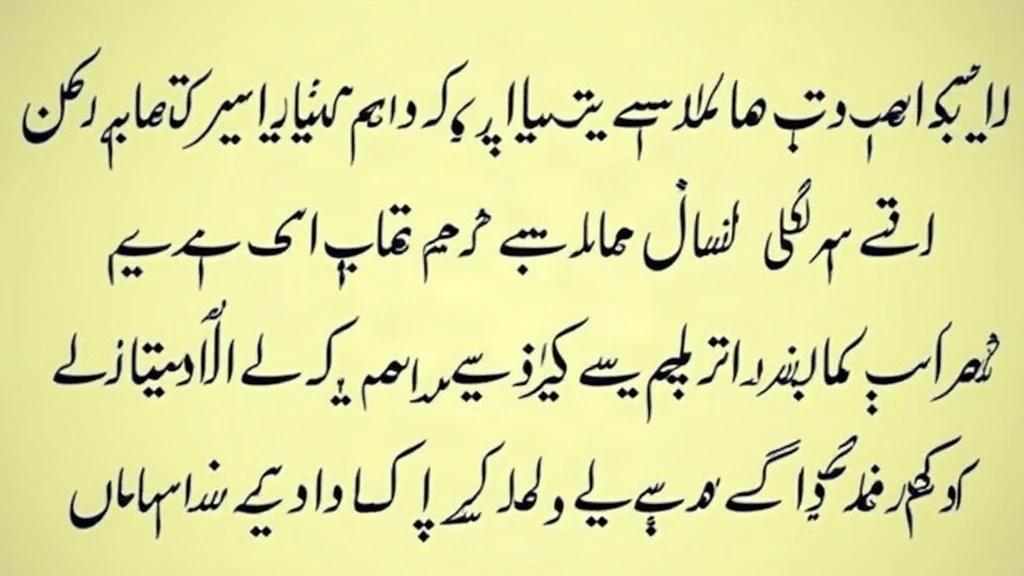
Urdu poetry has been the heartbeat of South Asian literature for over three centuries. Poets like Mirza Ghalib, Faiz Ahmed Faiz, Parveen Shakir, and Jaun Elia have shaped the ghazal, the nazm, and the doha into forms that still rule the internet today. If you want copy paste ready 2 line shayari, a crisp list of the top poets, and the difference between a ghazal and a nazm, this guide is for you.
We wrote this with the Rekhta reader in mind. Rekhta is the largest online archive of Urdu poetry and shayari, and most of the verses cited below are drawn from its collection.
Here is a quick reference table of what you will find in this guide.
| Topic | What you get |
|---|---|
| What is Urdu poetry | The tradition, forms, and schools |
| Famous poets | Ghalib, Faiz, Parveen Shakir, Jaun Elia | Forms | Ghazal, nazm, doha, rubai |
| Copy paste verses | Sad, love, 2 line, romantic, attitude |
| History | From Deccan to Delhi and Lucknow |
What is Urdu poetry?
Urdu poetry, sometimes called Urdu shayari, is a rich tradition that took shape in the royal courts of North India. It is written in the Urdu script and performed in mushaira (poetry gatherings) where poets recite their verses in front of an audience. The tradition has roots in Persian and Arabic poetics, but it grew into its own distinct art form over centuries.
The three classic schools of Urdu poetry are the Deccan, Delhi, and Lucknow schools. The Deccan school flourished first under the patronage of the Qutb Shahi kings. It was followed by the Delhi school, which reached its peak in the 18th century with poets such as Mir Taqi Mir and Khwaja Mir Dard, and then the Lucknow school in the 19th century, known for its elegance and lyrical refinement.
Best Urdu poetry books and archives
If you want to read Urdu poetry online, the reference point is Rekhta. It holds more than 100,000 couplets, ghazals, and nazms from classic and contemporary poets, all searchable by poet, topic, and form.